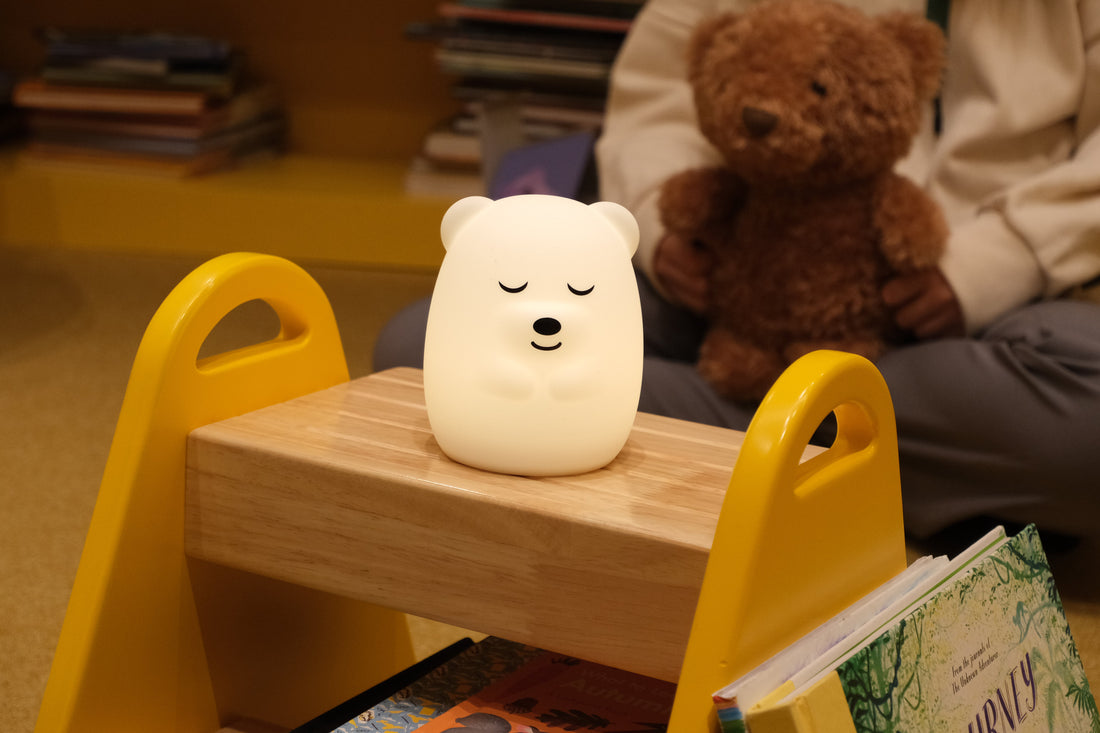
When a block tower falls, a toddler may want a lap, not a lesson about taking deep breaths. An older child may want you to wait nearby without talking. These 25 calm down strategies give you choices for both moments. Try a favorite together during play so your child recognizes the invitation when something feels hard.
When to practice, when to stay close
A calm down strategy is not one thing. What helps a child depends on where they are in the curve of a big feeling, and the adult's job changes at each point.
| Moment | What the child can do | Your job |
|---|---|---|
| Before (calm) | Learn, practice, choose favorites | Teach strategies as games; build a calm spot |
| Rising (getting upset) | Use a simple, rehearsed strategy with a cue | Give one short cue: "Balloon breaths" |
| Peak (meltdown) | May need help staying safe | Stay close, keep it safe, say less |
| After (recovering) | Reconnect, then talk a little | Repair first, reflect later and briefly |
When feelings peak, move hazards out of reach and stay available. If talking makes things harder, let the cue go. Later, when your child is ready, ask what helped. The American Academy of Pediatrics’ guidance for parents explains why connection comes before problem-solving.
Calm down strategies for toddlers (ages 2–3)
Toddlers borrow calm from adults. Their strategies are physical, short, and done with you.
- Hug and sway. Open your arms and wait. If your child leans in, sway gently together. If they turn away, sit nearby.
- Blow the bubble. Real bubbles when calm; pretend bubbles when upset. A long, slow out-breath is the whole skill.
- Name it for them. "You're mad. The tower fell." Short labels help a toddler feel understood, even if they keep crying.
- Change the scene. Invite them to sit by the window or walk somewhere quieter with you.
- Squeeze and let go. Squeeze your hands together, then flop. Toddlers love the flop.
- A comfort object. The same soft toy, every time, as the "calm buddy." Let them decide whether to hold it.
Calm down strategies for preschoolers (ages 4–5)
Four- and five-year-olds can start to use a strategy on cue if it has been practiced as play. If talking is hard, offer a picture they can point to.
- Balloon breathing. Hands on the belly, breathe in to fill the balloon, out to let it float down. Our step-by-step belly breathing guide has a printable poster.
- Smell the flower, blow the candle. In through the nose, out through the mouth, with fingers as props.
- A calm spot. A corner with a cushion, a few books and one or two calm tools. It is a place to go, not a place to be sent.
- Follow the light. A breathing light grows and fades; the child breathes along. They can also just watch. Keep breaths gentle and unforced; stop if uncomfortable or dizzy. You can try it free with our online breathing exercise.
- Feelings faces. Point to the face on a chart that matches how big the feeling is. Pointing is easier than talking.
- Wall push. Place both palms on a sturdy wall and press gently, then relax. Let your child choose when to stop.

The free My Calm Down Steps poster (PDF) turns the routine into four pictures: notice, breathe, choose a tool, come back. Hang it at a seated child's eye level in the calm spot.
Calm down strategies for school-age kids (ages 6–9)
School-age children can learn a menu of strategies and pick one. The goal shifts from "the adult calms the child" to "the child knows what works for them."
- Box breathing. Trace a square slowly with a finger. If counting feels comfortable, breathe gently as you trace; skip the holds or simply trace while breathing normally. See our box breathing guide for kids.
- Five-finger breathing. Trace up a finger breathing in, down breathing out. Portable and invisible at a desk.
- 5-4-3-2-1 grounding. Five things you can see, four you can hear, three you can touch, two you can smell, one you can taste.
- Count backwards from 20. Take turns saying a number. If counting feels like a test, switch to something else.
- Cold water. A drink of cold water or a cool cloth on the face and wrists.
- Move it out. Walk together on a clear, level path, or march in place if your child wants to move.
- A timer for a check-in. “Would you like me to sit here or check back in a few minutes?” Use a timer only if your child wants a reminder. They can ask for help sooner and need not feel calm when it rings.
Calm down strategies for tweens (ages 10–12)
Older kids want privacy and control. Strategies need to be discreet, and they need to be the child's own choices.
- Long-exhale breathing. Try an easy breath in and a slightly longer breath out if comfortable. There is no target count.
- Headphones and one song. A specific calm song, start to finish, eyes closed.
- Write it, then bin it. Write the whole angry paragraph, then tear it up.
- A break with a check-in. "I need ten minutes in my room, then I'll come back." Agree on a check-in and ask whether they need more time or company.
- Squeeze something. A stress ball or putty in a pocket or bag.
- Talk to someone they choose. A parent, a grandparent, a coach. The choice matters as much as the talking.
What to say (and what not to say)
Fewer words work better than more, and the tone matters more than the words. A few lines that tend to help:
- "I'm here. You're safe. I'm not going anywhere."
- "That's a big feeling. Let's breathe together." Then breathe, audibly and slowly, without asking them to copy.
- "Do you want a hug or some space?"
- "When you're ready, I'll be right here."
And a few that tend to backfire mid-feeling: "Calm down," "You're overreacting," "Use your words," and anything that starts with "If you don't stop…". They are not wrong things to want; they just ask for skills the child cannot reach at that moment.
Make the strategies easy to reach
The best strategy is the one in arm's reach. Put the tools where the feelings happen: a breathing card in the car, putty in the school bag, a quiet spot your child chooses within reach of adult support. Our guides to a calm down corner at home and a portable calm down kit walk through what to put where.
A Breathing Pal can give a child a light to watch during breathing practice. A Timer Pal can show when you agreed to check back. Neither tool is needed: you can sit together or agree on a check-in after one song.
Frequently asked questions
What is the fastest way to calm down an upset child?
There is no fastest method for every child. Start with safety, lower your voice and offer a choice: “Want me beside you or over here?” Give them time to answer, including with a gesture.
How do I teach my child calm down strategies?
Pick one activity your child enjoys and try it together during a quiet moment. Agree on a short cue, then offer it when needed without making it a demand.
Why doesn't my child use the strategies we practiced?
A noisy room, an uncomfortable activity or the effort of answering can make a familiar skill hard to use. Reduce the demand now; later, ask whether a different cue or a quieter place would help.
When should I worry about frequent meltdowns?
If meltdowns are very frequent, very long, dangerous, getting worse over time, or out of step with your child's age, talk with your pediatrician. They can help you look at sleep, sensory needs, anxiety, ADHD or other factors and point you to support.
Start with three
Pick one breathing strategy, one movement strategy and one comfort strategy from your child's age group. Practice them as games this week, give each a name, and put the tools where the feelings happen. Let your child keep just one favorite if they prefer. When you want more ideas to practice, the 10 breathing games for kids make the breathing part fun enough to repeat.


