
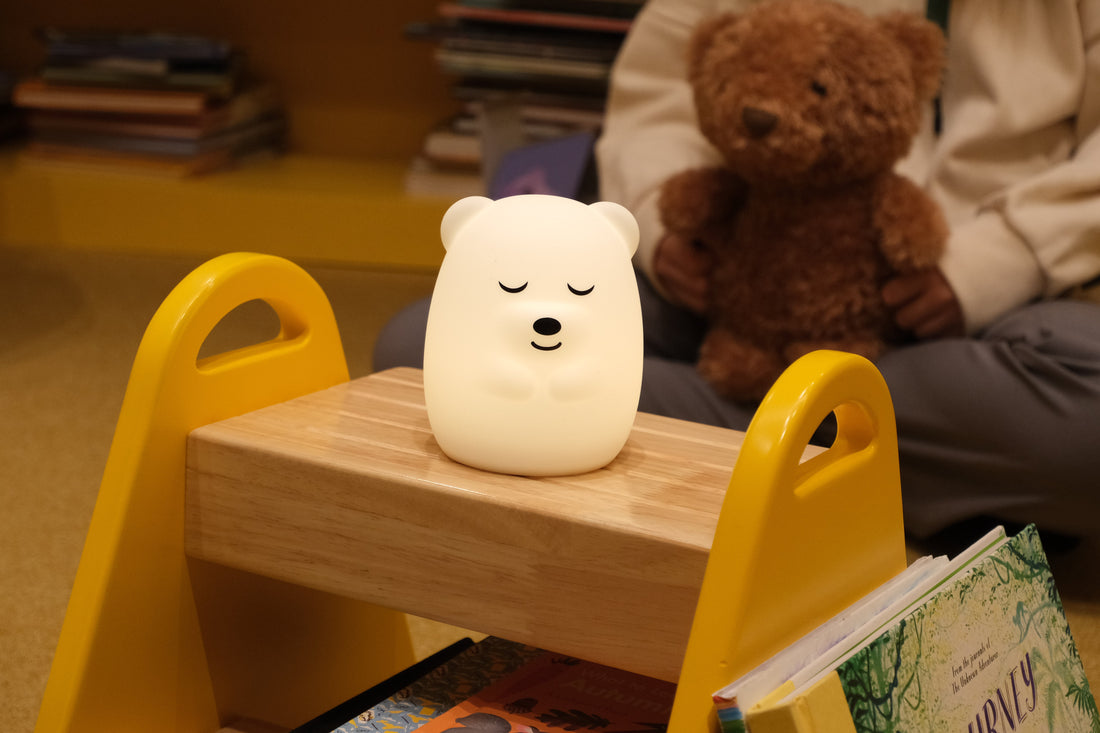
A calm down corner is a designated space — at home or in a classroom — where children can go to regulate their emotions, practice calming strategies, and return to a settled state. It's not a timeout. It's not a punishment. It's a gift: a quiet place with tools that help your child learn to manage big feelings on their own.
What Is a Calm Down Corner? (And Why It Works)
The idea behind a calm corner is simple: children can't self-regulate in the middle of chaos, and they can't think clearly when they're flooded with emotion. A calm corner gives them a predictable, safe space to decompress — and a set of consistent tools to help them do it.
Unlike a traditional timeout (which is isolating and often shame-based), a calm corner is proactive and skill-building. The goal is not compliance — it's teaching children what to do with big feelings so they can eventually manage them independently.
Research in child development consistently shows that children who have explicit emotion regulation strategies and practiced routines manage stress, transitions, and social conflicts significantly better than those who don't.
Calm Corner vs Time-Out: The Important Difference
| Calm Down Corner | Traditional Time-Out |
|---|---|
| Child can go voluntarily or when guided | Adult-imposed |
| Equipped with calming tools and strategies | Empty, no tools |
| Goal: skill-building and regulation | Goal: consequence/compliance |
| Non-punitive, no shame | Often shame-based |
| Child learns: "I can handle my feelings" | Child learns: "I get removed when I'm upset" |
Step-by-Step: How to Set Up a Calm Corner at Home
Choose a location that's quiet but not isolated.
A corner of the living room, a spot in the bedroom, or a sectioned-off area of a playroom all work well. Avoid putting it in a location that feels like a punishment (e.g., facing a wall alone). It should feel inviting — not banished.
Stock it with 3–5 calming tools (see below).
Less is more. Too many items becomes overwhelming and defeats the purpose. Choose a small number of tools that your child connects with.
Introduce it before it's needed.
Walk through the calm corner together when everyone is calm. Show your child how each tool works. Let them explore and play with the space so it becomes familiar and non-threatening before they ever need it.
Practice using it regularly.
Use the calm corner for regular "check-ins," not just when things go wrong. A 5-minute wind-down in the calm corner each evening can become a beloved ritual that also functions as a regulation practice.
The 5 Essential Calm Corner Tools
1. A Breathing Guide
Breathing is the most effective and immediate self-regulation tool available to children. A visual breathing guide takes away the cognitive load of counting so children can focus on how their body feels. The Breathing Pal — a soft, light-up character that gently pulses through guided breathing patterns — is ideal: it's child-operated, screen-free, and functions as a night light when breathing is done. One button is all it takes.
2. A Visual Timer
Anxiety thrives on uncertainty. "How long do I have to stay here?" is a common question that escalates distress. A visual timer removes that uncertainty — children can see exactly how much time remains. The Timer Pal uses gentle rainbow color shifts (no numbers required) to show time passing, making it accessible even for pre-readers and children who struggle with abstract time concepts.
3. A Sensory Fidget Tool
For children who regulate through touch and movement, a small fidget tool — a smooth stone, a textured ball, or a stretchy sensory toy — gives the nervous system something physical to focus on. Keep it simple and non-distracting.
4. A Feelings Chart or Emotion Cards
Children often struggle to name what they're feeling, which makes it harder to know what to do about it. A simple feelings chart with faces and emotion words helps children identify and communicate their state — a first step toward regulation. Laminated cards work well and survive young hands.
5. A Comfort Object
A familiar stuffed animal or comfort toy provides a sense of safety and attachment — especially important for younger children. Keep it consistent: the same object lives in the calm corner and is available whenever it's needed.
Setting Up a Calm Corner in a Classroom
For teachers and school counselors, a classroom calm corner follows the same principles with a few adaptations:
- Make it visible but not conspicuous. The corner shouldn't be in the center of the room, but children should be able to reach it without making a scene. A small divider or bookshelf can create a gentle boundary.
- Establish clear, consistent rules. Children should know: when they can use it (anytime they need it), how long they can stay (set a timer — Timer Pal is perfect for this), and what they do when they leave (a brief check-in with the teacher).
- Introduce it as a privilege, not a punishment. Frame it as a special resource that helps everyone do their best work, not a place for students who are "in trouble."
- Refresh it regularly. Swap in a new breathing exercise card, change the fidget tool, or add a seasonal element to keep it fresh and engaging.
"The goal isn't to create a child who never has big feelings. It's to create a child who knows what to do when they do."
Teaching Kids to Use the Calm Corner Independently
The ultimate goal is for your child to recognise when they need the calm corner and go there on their own — without being told. This takes time and practice, but here's how to build toward it:
- Use simple body-check language: "Does your body feel calm or busy right now?" Teach children to notice physical signs of dysregulation — racing heart, tight belly, clenched fists.
- Celebrate using it. When your child uses the calm corner — especially independently — acknowledge it warmly. "I noticed you went to get your Breathing Pal when things felt too big. That was so smart."
- Never use it as a threat. "If you don't stop, you're going to the calm corner" immediately turns a resource into a punishment.
Frequently Asked Questions
What age is a calm down corner appropriate for?
Calm corners are most commonly used for children aged 3–10, though the tools and approach can be adapted for older children and teens. For toddlers, keep it very simple — a cozy spot with a comfort item and a breathing toy is plenty. Older children can engage with more sophisticated emotion-labelling tools and self-monitoring strategies.
How big does a calm corner need to be?
Small is fine — even a 3x3 foot area works. What matters is that it's consistent, comfortable, and reliably stocked with the tools your child needs. A corner of any room, a large cardboard box lined with a cushion, or a sectioned area of a bedroom all work perfectly.
What should NOT be in a calm down corner?
Avoid screens, loud or highly stimulating toys, and anything that could be used aggressively (like a ball that could be thrown). The corner should be calming by design — not entertaining or exciting. The goal is regulation, not distraction.


