
If you are looking for breathing exercises for kids with ADHD, start with an activity your child is willing to try. Sitting still with closed eyes is not the only option: a hand to trace, a simple movement or a visual cue can give the exercise a clear beginning and end. This guide offers six ways to practice together, with room to change the pace, stop early or choose something else. Children's preferences differ; none of these exercises is a proven best choice for every child with ADHD.
Gentle breathing can be one optional relaxation skill. It is not a treatment for ADHD and does not replace medication, behavior therapy or school supports. The CDC's ADHD treatment guidance describes evidence-based care and the importance of an individual plan. The activities below are practice ideas, not evidence that a specific breathing pattern improves ADHD symptoms.
When a breathing exercise does not hold your child's attention
Try adjusting one part of the activity at a time:
- They are too long. Start with one or two comfortable breaths and ask whether your child wants another. A short invitation may be easier to try; there is no required practice length.
- They are too still. If sitting still gets in the way, offer a small hand movement or a gentle stretch.
- They are invisible. If counting is distracting, try something to watch or feel, such as tracing a finger or following a comfortable visual cue.
Let your child choose the cue. If they already enjoy visual supports, our guide to visual timers and ADHD offers a separate way to make routines more concrete. A preference for visual tools does not mean every visual breathing activity will suit them.
6 breathing exercises to try with your child
Before you begin: keep breaths gentle and comfortable. Do not ask for the deepest possible breath, a forceful exhale or a breath-holding contest. Stop if your child feels dizzy, short of breath or uncomfortable, and let them breathe normally. If they have a breathing condition, follow their clinician's advice. Breathing practice is not a response to an asthma attack or other breathing difficulty.
| Exercise | Simple cue | Possible practice moment |
|---|---|---|
| Five-finger breathing | Trace up and down a finger | A quiet practice break |
| Shape tracing | Follow a drawing without required holds | Before starting homework |
| Starfish breathing | Open and relax the arms | A movement break |
| Gentle blowing | Imagine cooling warm soup | A playful practice moment |
| Walking breath | Notice breathing while walking slowly | A safe, quiet hallway |
| Breathing with a light | Watch a visual cue | A calm wind-down routine |
These are suggestions for trying an activity, not prescribed timings or guaranteed effects. Keep the first attempt brief and let comfort decide the pace.
1. Five-finger breathing
Hold one hand open and use the other index finger to follow its outline. Breathe in gently as the finger moves upward, then out as it moves downward. Move the finger at the pace of the breath, rather than stretching a breath to finish a finger. Try one finger first and continue if your child wants to. Cedars-Sinai's five-finger breathing resource illustrates the basic method.
2. Shape tracing, with a no-hold option
Traditional box breathing uses equal counts for breathing in, holding, breathing out and holding again. Those holds are not a requirement for this activity. For a gentler starting option, draw a hill or wave: trace upward with a comfortable inhale and downward with the exhale, without holding. If a clinician has recommended box breathing for your child, follow their guidance. Our box breathing tool and box breathing guide explain that specific pattern; skip them if the fixed counts or pauses do not feel comfortable.
3. Starfish breathing
Stand or sit comfortably. Open the arms gently while breathing in, then let them relax toward the body while breathing out. Avoid stretching to the limit or curling tightly. Try one round together and ask whether your child wants another. The movement is a cue to explore, not a test of stillness or flexibility.
4. Gentle blowing
Imagine cooling a spoonful of warm soup. Take a comfortable breath in, then let the air out softly. There is no need to blow hard or make the exhale last as long as possible. Practice during a calm moment; if your child is already overwhelmed, offer support and space rather than insisting on a breathing exercise.
5. Walking breath
In a safe, clear space, walk slowly together and notice the breath. If counting steps feels enjoyable, try a few steps on the inhale and a few on the exhale, adjusting freely. Drop the counting if it creates strain. Keep eyes open and attention on the surroundings; do not practice this while crossing roads or navigating a busy parking lot.
6. Breathing with a light
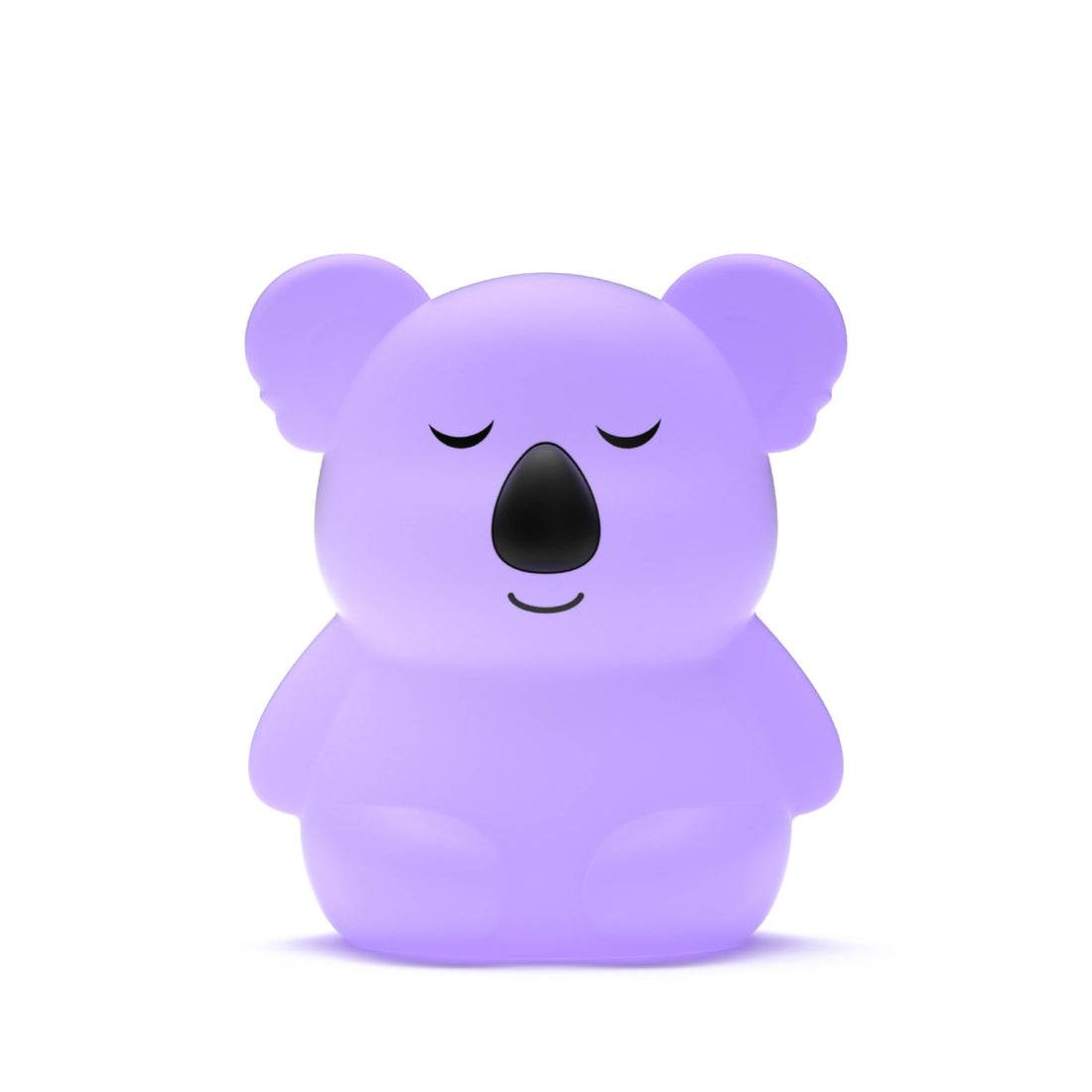
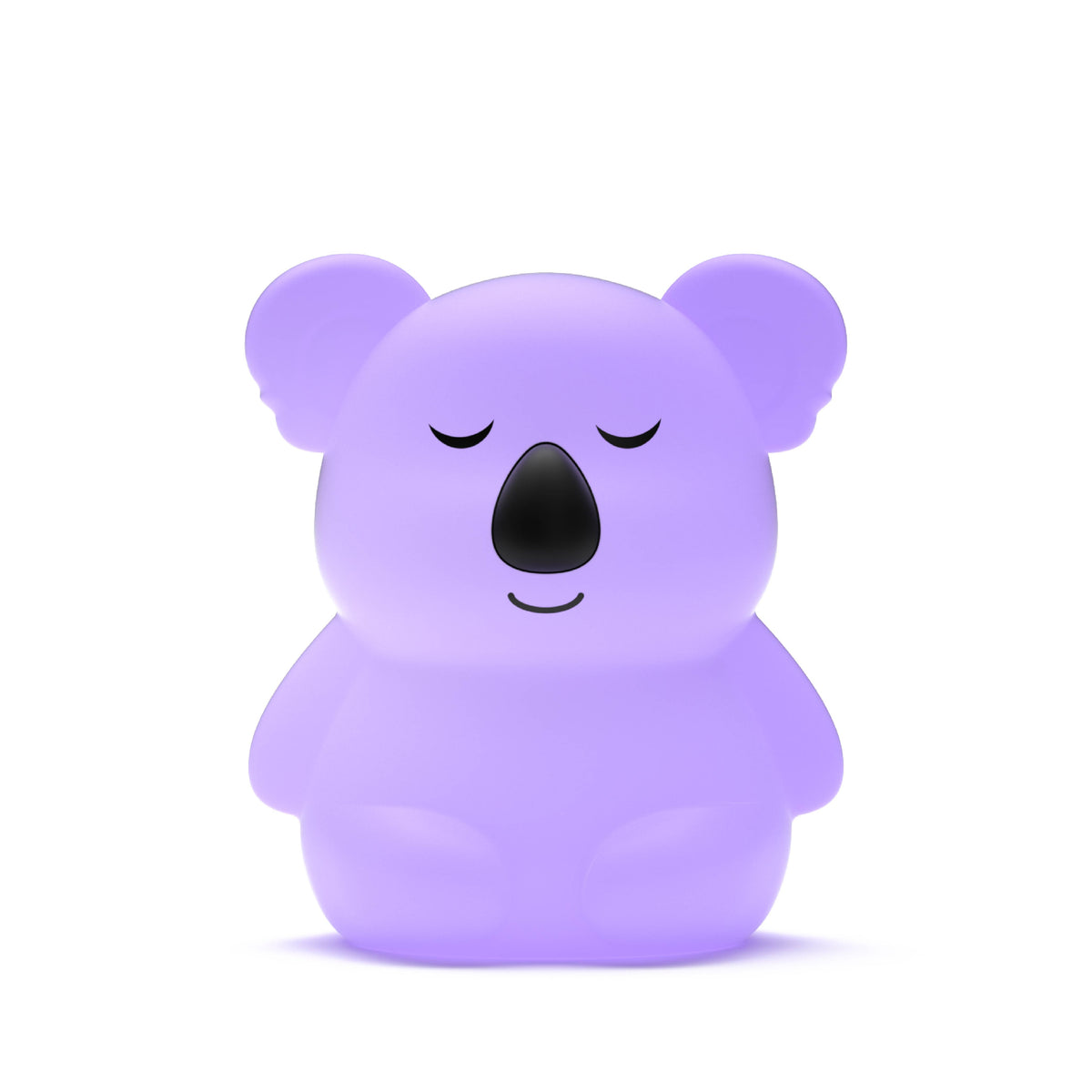
Some children prefer watching a visual cue to counting aloud. A light such as Breathing Pal Kyle offers breathing patterns with light cues. Check the instructions for your model and choose a pattern only if it feels comfortable; a five-second inhale and exhale is not a target every child needs to meet. If the pacing feels too slow, use finger tracing at your child's own pace instead. Our free breathing exercises tool offers an on-screen way to explore guided practice with an adult.
How to teach breathing to a child with ADHD
- Teach when nobody is upset. Introduce a new exercise on a calm afternoon, as a game. During distress, an extra instruction may be hard to process.
- Keep the first version under a minute. One comfortable breath is a reasonable first try. Let your child stop or continue.
- Do it with them, not at them. Offer to try a breath together. Your child can watch first or decline.
- Make it visible. Try a hand or a simple drawing if counting is unhelpful. Ask which cue your child prefers.
- Attach it to a routine, not a crisis. Offer a brief practice before homework or while waiting together. Treat it as an invitation, not a condition for starting the next activity.
- Name it, and let them pick. "Do you want starfish or finger breathing?" Respect the answer, including "neither."
- Notice what your child actually prefers. Keep a simple note of the cue, the setting and whether they wanted to repeat it. There is no deadline for independent use.
Making it a game
Make the goal exploration rather than performance. A child might enjoy watching a stuffed animal move with a comfortable belly breath, or making one soft "sssss" sound on an exhale. Avoid competitions for the longest breath or biggest blow. Our breathing games guide has more ideas to adapt; keep the same comfort and choice rules.
When breathing is not enough
A breathing exercise will not solve every difficult moment. If your child dislikes focusing on breathing, offer another option, such as quiet company or a movement break. Frequent intense distress, persistent sleep difficulties or concerns about ADHD care are reasons to speak with your child's clinician. Use any relaxation practice alongside the supports agreed with their care team.
Frequently asked questions
Do breathing exercises help kids with ADHD?
Gentle breathing may be useful as an optional relaxation activity for some children. It is not an ADHD treatment, and these six activities are not proven to improve ADHD symptoms. Continue the care and school supports recommended for your child.
What is an easy breathing exercise to try?
Five-finger breathing offers a simple touch cue. Trace upward along a finger with a comfortable inhale and downward with an exhale. Try one finger first; continue only if your child wants to.
How long should breathing exercises be for kids with ADHD?
There is no single practice length that suits every child. Start with one or two comfortable breaths and ask whether they want another. Do not require a child to finish a timed session.
Is box breathing good for ADHD?
It is not established here as a treatment for ADHD. Traditional box breathing includes pauses that some children find uncomfortable. A simple wave-tracing activity without holds can be an alternative; follow individual clinical advice when relevant.
Can a breathing light help a child practice?
A light can provide a visual cue for a child who prefers watching to counting. Check the model's instructions and use it only at a comfortable pace. If the preset rhythm does not suit your child, choose an activity they can pace themselves.
Start with one hand
On a calm afternoon, ask: "Would you like to try tracing one finger with me?" Afterward, ask whether your child wants another round or a different activity. For optional visual practice, explore our guided breathing tool together. If a screen-free cue suits your child, compare the instructions and patterns in the Breathing Pal collection. No purchase is needed for the hand, movement or imagination activities above.
Sources and scope
This guide offers practical ways to introduce optional breathing practice, not medical advice or a clinical comparison of the six exercises. See the NHS guidance on gentle, unforced breathing, CDC guidance on ADHD treatment, and the Cedars-Sinai five-finger resource. These sources do not establish product-specific benefits or validate every adaptation in this article.


