
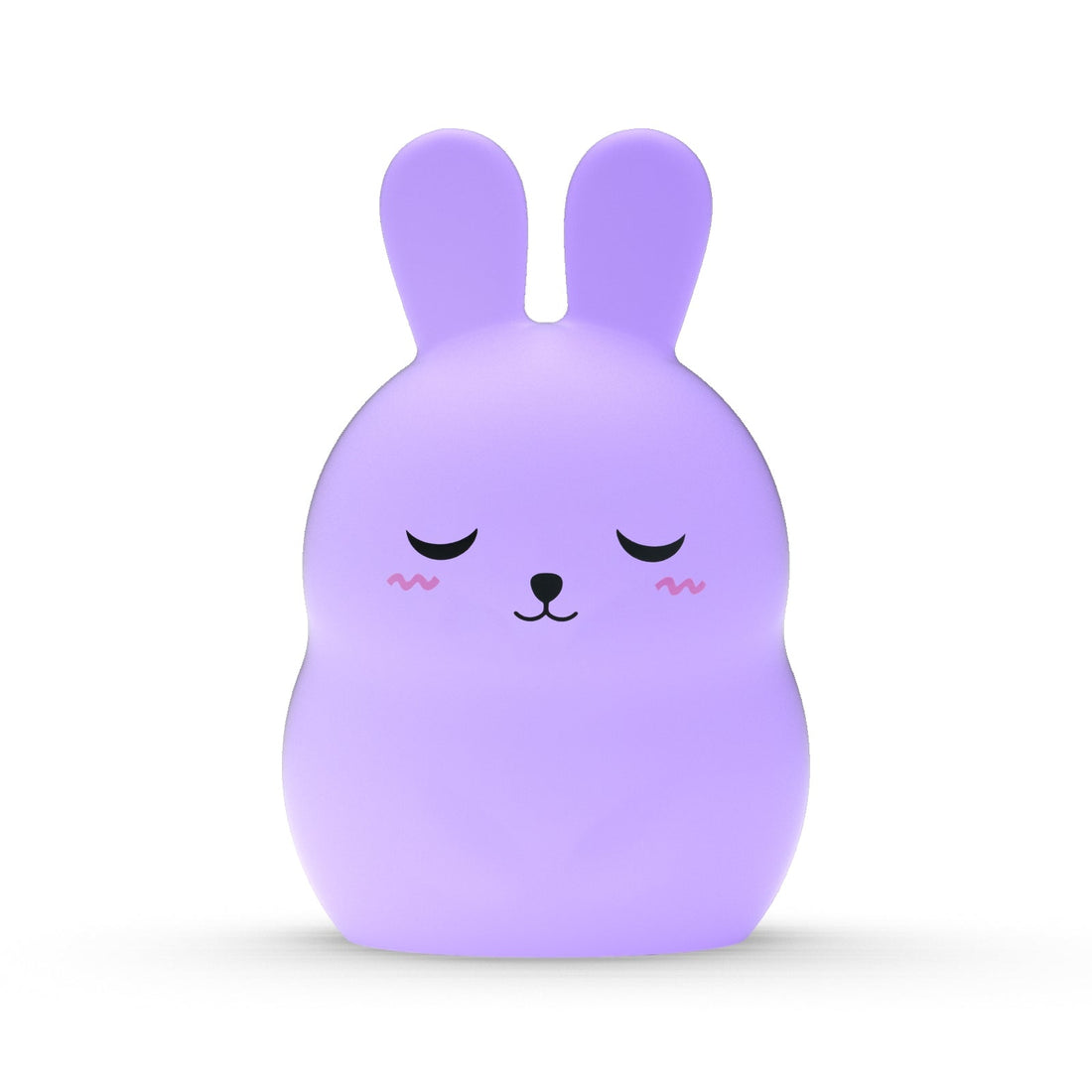
Breathing buddies turns belly breathing into a simple noticing game: an awake child rests a small stuffed animal on their belly and watches it move with their breath. An adult joins in, and the child can stop whenever they want. This guide gives you a home script, a classroom version, and ways to adapt the activity without turning it into a test.
Why use a buddy?
A toy gives a child something concrete to look at when breathing instructions feel abstract. Children's Health describes using a small stuffed animal during belly-breathing practice and recommends learning the skill when a child is calm. The movement is a cue to notice, not proof that a breath is right or wrong.
- Make it an invitation. “Want to watch your bunny move?” is a possible starting point.
- Let the child choose. A familiar plush, their own hand, or watching you are all options.
- Keep it playful. Laughing does not mean the child has failed. You can pause and return another time.
For the underlying technique and a printable practice poster, see our belly breathing guide. Here, the focus is on using the buddy at home or with a group.
The breathing buddies script (home version)
- Invite a comfortable position. “Would you like to lie on the mat, sit with me, or just watch?” Stay alongside your child. Lying down is optional.
- Choose the cue. If lying comfortably, let the child place a small, lightweight plush on their belly. Keep it away from the face. If sitting, the buddy can rest nearby while the child uses a hand to notice movement, if they want.
- Notice a gentle breath in. “Let's see whether bunny moves a little.” Avoid asking for the biggest breath or a dramatic lift.
- Let the breath out easily. “Let the air out gently.” There is no breath hold, required count, or need to make the out-breath longer.
- Offer a choice. “Another breath, a break, or all done?” One or two breaths can be an initial invitation, not a target the child has to reach.
The NHS breathing guide emphasizes comfort and avoiding forced breaths. Keep your own demonstration easy and unhurried. Do not hold the toy down or press on the child's abdomen.
Stop if the child feels dizzy, uncomfortable, short of breath, or more upset, and let them return to ordinary breathing. For a child with a breathing condition, ask their clinician about suitable exercises; this activity does not replace their care plan. NHS inform gives guidance on when to stop and when to seek advice.
The classroom version
Introduce the activity during an ordinary, settled part of the day. Offer enough space and a seated alternative; a whole class does not need to lie on the floor. Explain the choices before starting so no child has to ask publicly to opt out.
| Step | What you can say | Adjustment |
|---|---|---|
| Set up | “Choose a comfortable spot. You may join, watch, or sit quietly.” | Use individual washable toys and follow your classroom's cleaning rules. |
| Demonstrate | “I'm noticing my buddy while I breathe gently.” | Model once; avoid correcting individual children's shoulders or bellies. |
| Invite | “Try it if you want. You can stop whenever you need.” | Keep eyes open if preferred. Leave lighting comfortable rather than requiring darkness. |
| Check in | “Would you like another try or to finish?” | Accept different answers. Do not require everyone to follow one pace. |
| Close | “Put your buddy away when you're ready. Next, we'll read our story.” | Allow a gradual return to sitting or standing and make the next activity clear. |
Use the table as a prompt, not a fixed lesson length. If floor space, body awareness, or watching breathing is uncomfortable for a student, offer a quiet activity they already know instead. Completing the exercise should never be the price of rejoining the group.
What makes a good breathing buddy
- Small, soft, and lightweight. Choose a plain plush suited to the child's age. Do not add weight or use a heavy toy to make it stay in place.
- Clean and intact. Follow the toy's care instructions and check for loose parts. Keep it away from the mouth and nose.
- Chosen by the child. Let them pick a familiar toy; buying a special buddy is unnecessary.
A buddy that glows is a different kind of cue. Bonnie the Bunny is a Breathing Pal light with guided breathing modes. If your child prefers a visual light, use it separately on a stable surface according to its instructions. It is not a plush for resting on the belly. A preset pace may not suit a child: do not require matching it, stretching a breath, or holding their breath. Return to the simple plush activity if that feels easier.

From the floor to real life
There is no week-by-week deadline for moving on. When your child is interested, offer one change at a time:
- Sit with the buddy nearby. The toy becomes a reminder rather than something that moves.
- Try a hand instead. Ask permission; let the child place their own hand if that feels comfortable.
- Agree on an invitation. “Would buddy breathing help, or would you like something else?” keeps the choice with the child.
Some children prefer to keep the toy. Others enjoy tracing a picture instead; our rainbow breathing guide offers another visual option. Needing adult company or choosing a different coping tool is not a setback.
Mistakes to avoid
- Grading the movement. Avoid “higher,” “slower,” or “don't drop him.” The toy may move very little, and noticing is enough.
- Teaching during intense distress. Offer comfort and meet immediate needs first. A familiar exercise can be offered later without insisting.
- Requiring a round to finish. Stop when the child wants to, even if you planned more breaths.
- Using it as a consequence. Keep buddy practice separate from punishment, rewards for being quiet, or demands to stop crying.
What the exercise can and cannot do
Breathing buddies is a way to explore a coping skill together. CHOC includes stuffed-animal breathing in its mindfulness suggestions for families. That guidance does not establish that a particular toy or light treats anxiety, or that every child will feel calm afterward. Notice your child's response rather than promising a result. Persistent distress that affects daily life deserves support from their pediatrician or another qualified clinician.
Frequently asked questions
What is the breathing buddies exercise?
A child rests a small, light stuffed animal on their belly while awake and notices its movement during gentle breathing. An adult practices alongside them. The toy is a visual cue, not a test of breathing technique.
What age is breathing buddies for?
Use readiness rather than a birthday: the child should be able to choose whether to join, stay comfortable, and respond to simple guidance. Adults supervise. This is an awake activity, not an infant sleep practice.
How long should breathing buddies take?
Start with an invitation to try one or two comfortable breaths, then ask whether to continue or stop. There is no required number of rounds or duration for every child.
Can I use a breathing light as a breathing buddy?
A breathing light can provide a separate visual cue from a stable surface. Do not substitute an electronic light for the lightweight plush on the belly. Follow the product instructions and skip any pace or breath hold that is uncomfortable.
My child just laughs and bounces the buddy off. What now?
Pause without correcting or grading. Let the child watch you, try a hand instead of a toy, or choose another activity. Do not add weight to keep the buddy in place.
Pick a buddy together
Choose a familiar, light plush and ask whether your child would like to try or watch. A comfortable shared moment, with permission to stop, is enough for a first introduction.


